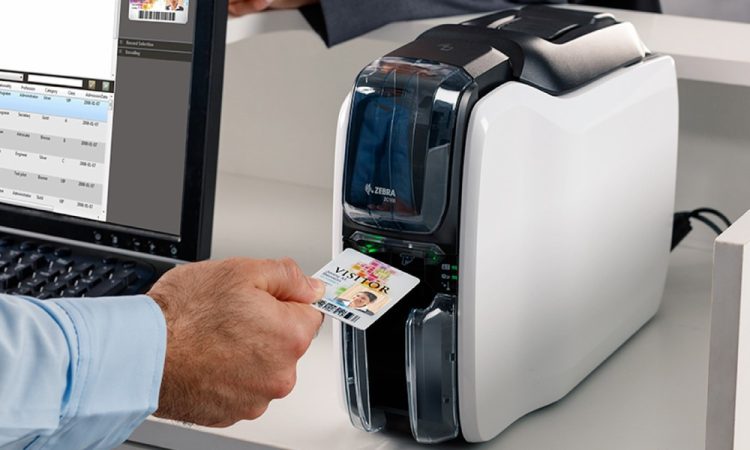
First impressions can shape the future of your business, but in a world of paper and pixels, only a handful of brands truly stand out. Enter the full-color plastic card, a tactile, eye-catching, and resilient branding tool that does much more than look pretty.
Why Full-Color Printing on Plastic Cards Is More Than Just Pretty Pictures
Many still believe that plastic cards, compared to their paper cousins, simply can’t deliver the same level of vibrancy or sophistication. In reality, this perception could not be further from the truth.
Myth: Plastic Cards Can’t Deliver Vivid Colors
There is a lingering assumption that plastic cards are limited when it comes to color reproduction. This notion ignores the technological advances in CMYK printing. Today’s full-color plastic cards rival, and often surpass, the vibrancy found in high-end paper stock.
How CMYK Printing Unlocks True Color Potential
CMYK printing (Cyan, Magenta, Yellow, and Black) is the industry standard for producing rich, multi-dimensional color. On premium plastic stock, this process allows for gradients, sharp photos, and striking logos. The color sits on the smooth, non-porous surface, resulting in colors that pop and maintain their brightness over time.
The Role of 14pt Thickness in Color Depth and Finish
A 14pt plastic card offers a substantial feel. This thickness doesn’t just enhance durability; it also deepens how colors appear. Designs look crisp, polished, and professional, helping your brand make an unforgettable impact.
Debunking Durability Doubts: Plastic vs. Paper Cards
Hand someone a paper business card after lunch, and you might see it wilt by afternoon. But what about plastic cards?
Myth: Plastic Cards Fade and Wear Just Like Paper
Plastic is inherently more resistant to water, smudging, and the general wear-and-tear of wallets, pockets, and countertops. Unlike laminated paper, the design is printed directly onto the plastic, so there’s no bubbling or peeling over time.
How Plastic’s Smooth Finish Protects Vibrant Designs
The glossy, smooth surface of a plastic card acts as a shield for your brand artwork. Unlike paper, which can absorb moisture or oils from hands, plastic keeps colors clear and lines sharp.
The Impact of No-Lamination Printing on Longevity
With plastic cards, there’s no need for an extra lamination layer. Skipping lamination eliminates the risk of peeling edges, while the printing process itself ensures the design is locked in and protected from the elements.
The Illusion of Cost: Are Full-Color Plastic Cards Expensive?
Budget pressures can make even the most creative business owners shy away from premium options. Are full-color plastic cards really unaffordable?
Myth: Full-Color Plastic Cards Break the Budget
Thanks to advances in business card printing, plastic cards are more accessible than ever. Bulk pricing models make it cost-efficient to order anywhere from 250 to 1,000 cards, with the price per card dropping as order size increases.
Bulk Printing Benefits and Cost Efficiency (250-1000 Cards)
Ordering in quantity not only saves money but also ensures consistency in brand presentation. This consistency is critical for multi-location businesses or for professionals who want to maintain a uniform brand impression.
Hidden Value: Enhanced Brand Presentation Pays Off
A well-designed plastic card is less likely to be tossed aside or damaged. That longevity means your brand stays top-of-mind far longer than flimsy, forgettable paper alternatives.
Size and Shape Misconceptions: Plastic Cards Are Restrictive
Get creative, plastic cards are no longer limited to the standard 3.5×2-inch rectangle.
Myth: Plastic Cards Only Come in Standard Business Card Sizes
Plastic cards are now available in multiple sizes, including 3.5×2″, 4×6″, and 5×7″, giving brands more room to make a statement or include useful information.
Exploring Versatile Sizes From 3.5×2″ to 5×7″
Want a bold promotional postcard? Need a compact, wallet-sized loyalty card? The range of sizes supports any marketing vision.
Optional Rounded Corners and Custom Cuts That Make You Stand Out
Little touches like a 1/4-inch radius rounded corner or custom cut can transform your card from a simple identifier into a memorable keepsake.
Design Preparation: Simplifying the Artwork Submission Process
Some fear that prepping artwork for plastic printing is overly technical. The truth is, the process is straightforward for any designer.
Myth: Preparing Files for Plastic Printing Is Overly Complex
Modern printers provide clear, step-by-step guidelines. As long as you pay attention to a few details, your design will be print-ready in no time.
Clear Guidelines on Bleed, Safe Zones, and Resolution
Make sure your design extends 0.125″ beyond the card edge for bleed, keep important text 0.125″ inside the finished size, use CMYK color mode, and set your file resolution to 300dpi for sharp results.
Choosing the Right Black for Crisp Text and Bold Areas
For deep solid blacks, use a rich CMYK mix. For small text, pure black ensures maximum legibility and crispness.
The False Tradeoff Between Single and Double-Sided Printing
Should you pay extra for double-sided printing, or stick to one side?
Myth: Double-Sided Printing Is Not Worth the Investment
Adding a second side isn’t just about extra space. It’s an opportunity to present your brand from multiple angles, think contact info on one side and a bold tagline or QR code on the other.
When to Use One Side vs. Two Sides for Maximum Impact
Single-sided cards work for minimalist designs or quick handouts. Double-sided printing, on the other hand, is ideal for professionals who want to maximize brand messaging or share additional details.
Case Studies of Effective Double-Sided Branding
Success stories abound: loyalty programs where the back serves as a rewards tracker, or creative agencies that use both sides to showcase expertise and portfolio highlights.
Why Full-Color Plastic Cards Are a Game-Changer for Brand Presentation
Combining rich color, lasting durability, and limitless customization, full-color plastic cards bring brand presentation to a new level. They signal professionalism, attention to detail, and a willingness to invest in memorable experiences. In a digital world, the power of a physical, customized card, one that outlasts passing trends, remains strong. Brands ready to leave a lasting mark are already making the switch.