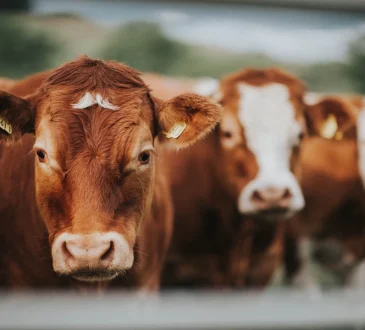
Commodities have played a foundational role in global trade for centuries, long before modern stock exchanges and digital platforms existed. Today, they remain an essential part of the financial system and an increasingly popular market for new and experienced traders alike. From energy products and precious metals to agricultural goods, commodities offer unique opportunities to diversify portfolios and engage with markets that reflect real-world supply and demand.
For beginners, however, the idea of trading commodities can feel intimidating. Prices seem influenced by everything from weather patterns to geopolitical events, and the terminology can appear complex at first glance. The good news is that with the right framework, a clear understanding of the market, and a disciplined mindset, it is entirely possible to begin trading commodities with confidence rather than uncertainty.
Understanding the Role of Commodities in Financial Markets
Before placing a single trade, it is important to understand what commodities represent within the broader financial ecosystem. Commodities are raw materials or primary agricultural products that can be bought and sold, such as oil, gold, wheat, or coffee. Unlike company shares, commodities are largely standardised, meaning one unit is essentially the same as another regardless of its origin.
These markets serve two main purposes. First, they allow producers and consumers to hedge against price fluctuations. A farmer, for example, may want to lock in a future price for crops, while an airline might hedge fuel costs. Second, commodities provide traders with opportunities to speculate on price movements driven by global supply and demand dynamics.
Learning what influences these markets lays the foundation for confident decision-making. Prices often respond to economic data, seasonal cycles, currency movements, and unexpected events, all of which can be studied and monitored over time.
Getting Familiar With Different Commodity Categories
Not all commodities behave in the same way, and understanding their differences is crucial for beginners. Broadly, commodities are grouped into energy, metals, and agricultural products, each with its own characteristics and drivers.
Energy commodities such as crude oil and natural gas tend to be highly sensitive to geopolitical developments and production decisions. Metals are often split into precious metals like gold and silver, which are seen as stores of value, and industrial metals like copper, which closely track economic growth. Agricultural commodities are influenced by weather conditions, seasonal planting cycles, and global consumption trends.
Taking time to explore these categories helps new traders identify which markets align best with their interests, risk tolerance, and trading style. It also reduces the likelihood of making impulsive trades based on unfamiliar price behaviour.
Learning the Basics Before Risking Capital
Confidence in trading does not come from jumping into the market quickly, but from preparation. Beginners benefit greatly from understanding key concepts such as contract sizes, pricing units, trading hours, and the factors that influence volatility.
At this stage, many traders ask fundamental questions about the nature of these assets. Exploring resources that explain what are commodities in clear and practical terms can provide valuable context and prevent confusion later on. When basic definitions and structures are understood, market movements become easier to interpret.
Education also includes learning about different ways to trade commodities, whether through futures, options, or contracts for difference. Each approach has its own mechanics and risk profile, so understanding how they work before trading live is essential.
Developing a Clear Trading Strategy
A structured trading strategy is one of the most important tools for building confidence. Rather than reacting emotionally to price changes, a strategy provides clear guidelines for when to enter and exit trades, how much capital to risk, and how to manage potential losses.
For beginners, simplicity is often more effective than complexity. Focusing on one or two commodities, using basic technical or fundamental analysis, and setting realistic goals can lead to more consistent outcomes. Over time, strategies can be refined as experience grows.
Risk management should be a central part of any plan. This includes deciding how much of your trading capital you are willing to risk on a single trade and using tools such as stop-loss orders to limit downside exposure. Knowing that risk is controlled helps traders remain calm and objective, even during volatile market conditions.
Building Confidence Through Patience and Consistency
Confidence in commodity trading is not an overnight achievement. It develops gradually through consistent learning, careful observation, and disciplined execution. Beginners often feel pressure to act quickly, but patience is a valuable skill in itself.
Focusing on steady progress rather than immediate profits creates a healthier relationship with the market. Reviewing trades, noting what worked and what did not, and making small adjustments over time leads to continuous improvement.
Conclusion
Beginning your journey in commodity trading can be both intellectually engaging and financially rewarding when approached with care and preparation. By understanding how commodity markets function, learning the characteristics of different assets, and developing a clear strategy, beginners can replace uncertainty with informed confidence.
The path forward involves ongoing education, practical experience, and a commitment to disciplined decision-making. With these elements in place, commodity trading becomes less about reacting to noise and more about navigating markets with clarity and purpose. Over time, this approach helps traders engage with commodities not as a source of anxiety, but as a well-understood and manageable part of their broader financial goals.